Antaryami
Getting started
Birth-data privacy: using family profiles responsibly
A family profile contains information about a particular person, not interchangeable sample data. Before saving or sharing someone else's birth details, consider their permission and expectations. A shared interest in astrology does not automatically mean consent to public disclosure.
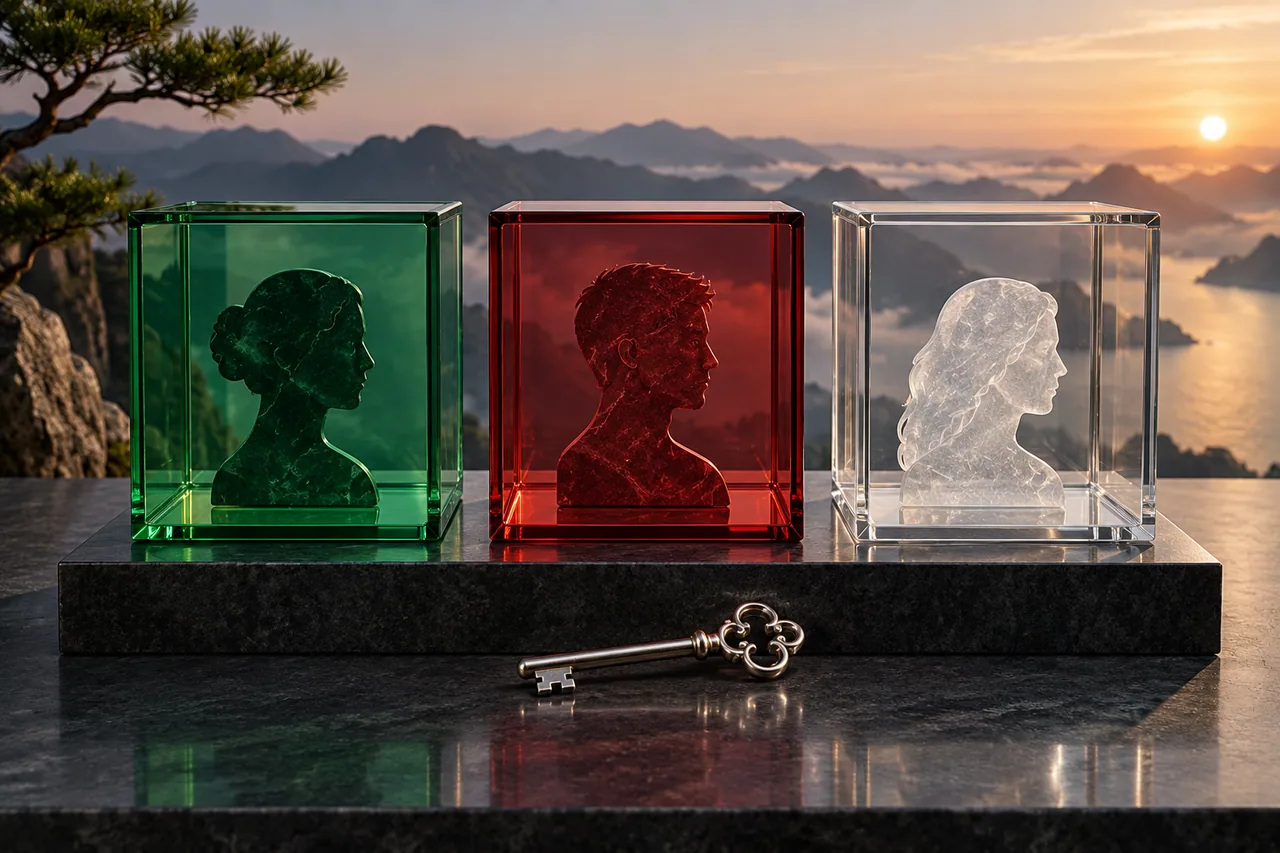
One profile should remain one person
Use a separate saved profile for each person and confirm the active name before calculating. Do not repurpose an old profile by overwriting it with a new relative's birth details. That can confuse previous results, corrections and purchases. The interface should make selection visible, but careful data entry is still part of keeping the records understandable.
A family account often begins with a generous intention: you want everyone's details in one convenient place. Convenience should not make the people interchangeable. Each person needs their own record, and each personal result needs to stay attached to that record. Repurposing one saved profile for a different relative can leave earlier reports and purchases with confusing context. Create and select records according to the actual product rules rather than treating the form as a reusable scratchpad.
Permission deserves a conversation before the details are entered. Someone may enjoy discussing astrology with you and still prefer not to have an exact birth record stored or shared. Explain what you intend to do and give them room to decline. Family familiarity is not the same as knowing their preference. You can explore an educational example together without turning their private information into the demonstration.
Keep the difference between managing an account and speaking for another person. A reading about a relative should not become an authority over their choices. Ask whether they want to see it, how they want it shared and whether they would rather discuss it privately. A thoughtful family experience makes room for different levels of interest. It should not require everyone to adopt the same beliefs or surrender the same information.
Treat screenshots as disclosures
A screenshot may reveal a name, exact birth details or other information beyond the part you intended to discuss. Review it before sharing. For a public question, a general description of the problem may be enough. Do not post another person's full record merely because a support discussion began in a group or social channel.
Before sharing a screenshot, examine the entire frame rather than only the sentence you want to discuss. A profile menu, notification, report heading or background tab can reveal unrelated information. The intended topic may be one confusing label, while the image exposes a full record. A text description can be enough: the planet label is cut off, or the selected profile and report heading do not match.
Cropping can reduce a disclosure, but do not assume it solves every problem. Read what remains in the image and consider whether the recipient actually needs it. A family group can feel private while still containing people who were not meant to receive the details. Sending information once does not control where it goes next. Choose the audience deliberately instead of treating a familiar chat as automatically appropriate.
For public learning, use clearly fictional examples. Label them as examples rather than implying that they belong to a real customer. This lets people discuss a chart format or interface without exposing somebody's history. The illustration should not be used as evidence about a reader's own life. Good educational material shows the concept while keeping the personal record out of the lesson.
Keep account secrets separate
Passwords, sign-in codes and session links do not belong in a chart discussion. Support should be able to explain a calculation issue without asking you to publish authentication secrets. If you share a device, finish signing out and check that private results are gone before another person uses it. A hidden browser tab is not equivalent to ending a session.
A chart question does not require your password or a sign-in code. Keep those out of messages, screenshots and public demonstrations. If someone asks for information that seems unrelated to the problem, pause and use the product's verified support route. The goal is to explain the issue, not to give another person unrestricted access to the account. A courteous request can still be inappropriate if it asks for an authentication secret.
Shared devices need a deliberate ending to the session. Closing one tab does not necessarily sign you out, and a downloaded report may remain on the device after the account session ends. Check the actual sign-out action and what you have saved locally. Consider who uses the device next. Private material needs attention in both places: inside the account and outside it in files you chose to download.
If you help a relative navigate, let them make their own account decisions where possible. Avoid retaining their sign-in code just because you were helping at that moment. Explain what you are doing before pressing a confirmation button. Assistance works best when it increases someone's understanding and control rather than making them dependent on another person to know where their information has gone.
Understand the service's current controls
Read the privacy policy and available account controls rather than assuming every app stores or deletes data in the same way. Antaryami's tools are designed around owned saved profiles and no shared caching of private results. That design goal still needs testing; no article can promise absolute security or replace a verified implementation and appropriate access controls.
Read the service's current privacy information and controls. Do not assume that a profile correction, report download, account deletion and removal of a local file are the same operation. They affect different things. If a control is unclear, ask what it does and what remains afterwards. This article is not a promise that a particular live release has every privacy feature you might expect.
Design goals also need evidence. Saying that private results should not be shared between profiles is important, but the statement alone does not verify the implementation. The application needs appropriate access checks and tests across profile changes, report views and languages. Customers can report an inconsistency; they should not be asked to certify security by inspecting every screen themselves.
Antaryami should make shared family curiosity feel respectful. Keep one person per profile, ask before sharing their record and use the minimum information needed for a question. Thank you for treating permission as part of the experience, not an obstacle to it. The best family account is not the one that collects the most details. It is the one in which each person understands and remains comfortable with their own participation.
Astrological interpretations are for reflection, not a diagnosis, a guaranteed prediction or a substitute for professional advice. Journal guides are prepared with AI assistance; they are educational content, not individual consultations.