 Antaryami

Panditji Edition
Why Antaryami is building a free chart desk for Panditjis
A free workspace for practising astrologers can make dependable calculations easier to reach and easier to explain.
Read articleTHE PRACTITIONER SERIES · 50 ARTICLES
A free chart desk in the making. Explore how trustworthy calculations, thoughtful practice and the right questions can help people make clearer choices.
A free workspace for practising astrologers can make dependable calculations easier to reach and easier to explain.
Read article
A small practice can use a shared workflow for checking inputs, explaining differences and correcting a chart.
Read article
A common record for venue, calendar convention and timing helps a volunteer team give one clear answer.
Read article
A practitioner abroad can keep the birth record, present location and event venue separate so each answer travels well.
Read article
A thoughtful first consultation starts with the question, names the method and ends with a useful next step.
Read article
The planned desk uses a separate registration that identifies a practitioner’s stated role and explains how intake is handled.
Read article
Asking before saving a birth record is part of a good consultation and makes follow-up easier to explain.
Read article
Keep consultations private when a phone, tablet or laptop is also used by colleagues or family.
Read article
A reproducible chart gives a teacher and apprentice one set of figures before they discuss tradition and interpretation.
Read article
A general local timing question and a personal chart consultation can be handled as two clear requests.
Read article
An ephemeris supplies celestial positions at a given time. Learn what belongs to the calculation and what belongs to the reading.
Read article
Follow the documented release history and see why a reusable library mattered to chart software and practitioners.
Read article
See how spacecraft and ground observations help build models of planetary motion and what that means for a chart calculation.
Read article
Its reputation is easier to explain through inspectable sources, documented settings and repeatable results than through slogans.
Read article
Old table habits can make digital charts easier to audit. Keep the reference time, edition and calculation assumptions visible.
Read article
Match body, instant, observer, frame and output units before using JPL Horizons as an external comparison.
Read article
Extra digits can preserve a calculation for comparison. The confidence of the chart still depends on the inputs and model.
Read article
Record the calculation actually used, along with requested settings, so a chart audit can account for a different data path.
Read article
Earth's centre and a location on its surface are different viewpoints. Record which one produced the value under discussion.
Read article
A planetary position can be independently checked. The meaning assigned to it is a different question with a different evidence standard.
Read article
Record who supplied the birth time, how it was recorded and what uncertainty the source can support.
Read article
Confirm the city, region and country before casting a chart, especially when relatives use different names for the same place.
Read article
A skipped local time may not exist. A repeated hour can refer to two instants. Handle each case explicitly during chart intake.
Read article
Keep uncertain chart features open and start with the part of the client's question that can be addressed responsibly.
Read article
Lahiri and the other sidereal settings define the reference used to display longitudes. State the exact choice before comparing labels.
Read article
Check the house calculation and what each chart panel displays before interpreting a difference in house assignment.
Read article
Trace a Dasha start back to the natal Moon, the selected sidereal convention and the method used to express the intervals.
Read article
Check the tithi transition, the location and the calendar rule before passing a Panchang date to a family.
Read article
Keep the cusp longitude and exact method visible when a small change could alter a KP label.
Read article
Kundli, transits, local timing and numerology use different inputs. Match the tool to the question before interpreting the output.
Read article
A specific choice, a real constraint and a useful follow-up give a Jyotisha consultation somewhere practical to go.
Read article
Find a local Griha Pravesh window, then bring the venue, household schedule and practical readiness into the decision.
Read article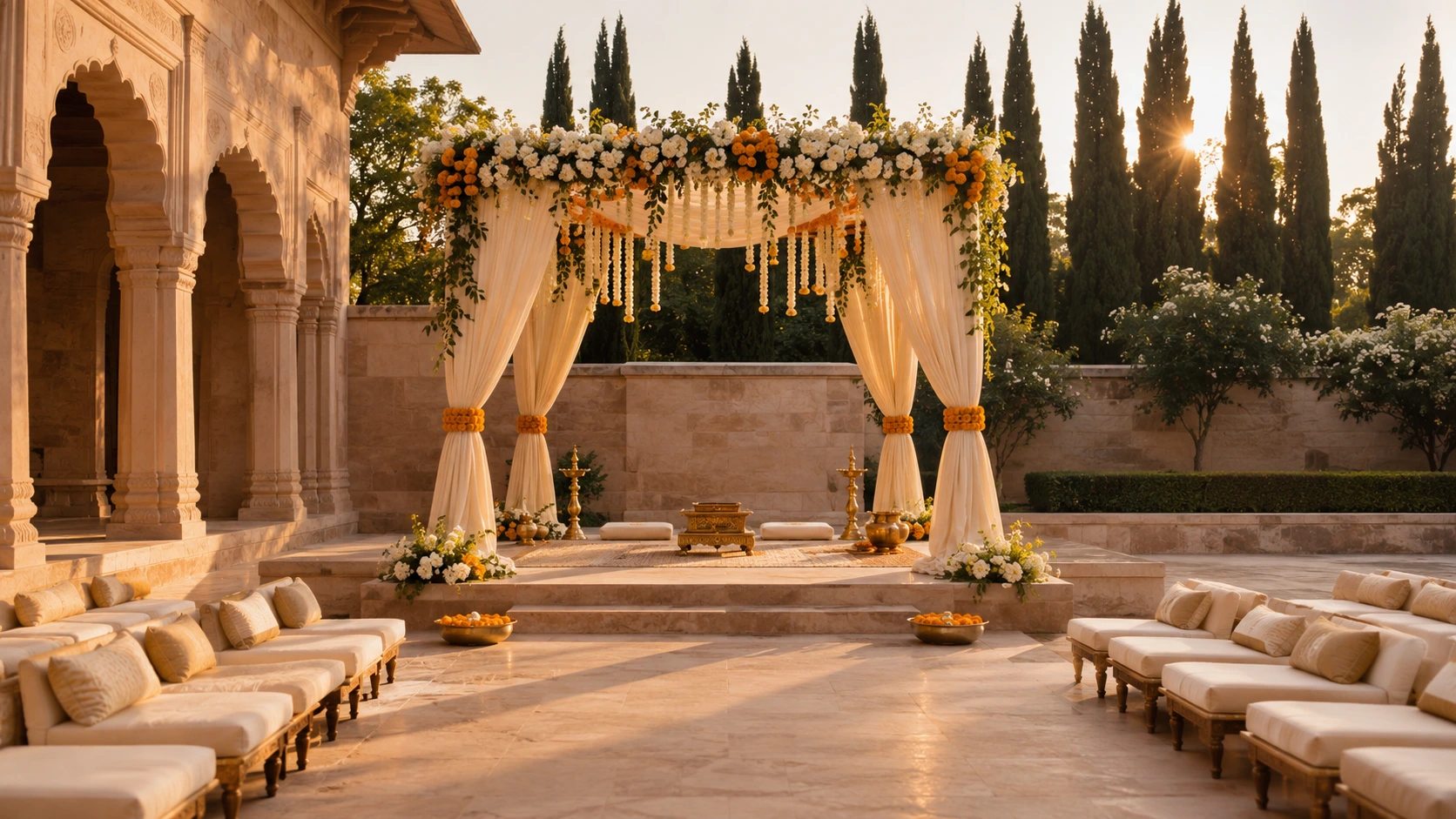
A wedding timing conversation works better with the venue city, the ceremony segment and both families' constraints on the same page.
Read article
Use a career reading to clarify a question about work, then test your options against real opportunities, terms and skills.
Read article
A practitioner can discuss a shared concern while giving each person a choice about using or saving their birth details.
Read article
Turn an interesting interpretation into a small experiment you can review before making a larger commitment.
Read article
Keep the chart interpretation separate from another person's intentions and leave with a question you can ask directly.
Read article
Make the name or date calculation visible, then turn the symbolic theme into a concrete question for the day.
Read article
A helpful closing note separates what was calculated, what remains uncertain and the next step the person controls.
Read article
Record the original question, evidence and expectation before the outcome so you can compare them honestly later.
Read article
Compare inputs, one intermediate number and one convention before spending time on rival interpretations.
Read article
See how an already chosen venue time travels to another city, and why a second venue needs its own timing calculation.
Read article
A venue move can affect the local calculation or the practical schedule. Recheck both before updating the family note.
Read article
At high latitudes a sunrise or sunset may be absent for the requested local date. Explain the missing event before offering any convention.
Read article
A compact method slip can help a colleague repeat a chart calculation while personal details stay with the client.
Read article
Show the nearby boundary, the inputs that can move the result and the claim that survives the uncertainty.
Read article
Watch for urgency, vague prices and guaranteed outcomes. A clear consultation leaves you time to ask questions and choose.
Read article
A calendar note needs a venue city, date, zone, exact start and end, and a label for what the window applies to.
Read article
Before forwarding a reading, ask what was calculated, which convention was used and what the recipient should do with it.
Read article
Antaryami's planned free desk aims to make calculations easier to inspect, support thoughtful consultations and protect private details.
Read article