Antaryami
Planets
What is combustion in astrology? Read the rule, not just the warning
Combustion is a traditional astrological condition associated with a planet's angular proximity to the Sun. It is not a claim that the planet is physically burning. The threshold and interpretation belong to a rule system and should be identifiable in a calculation.
Check which two positions are compared
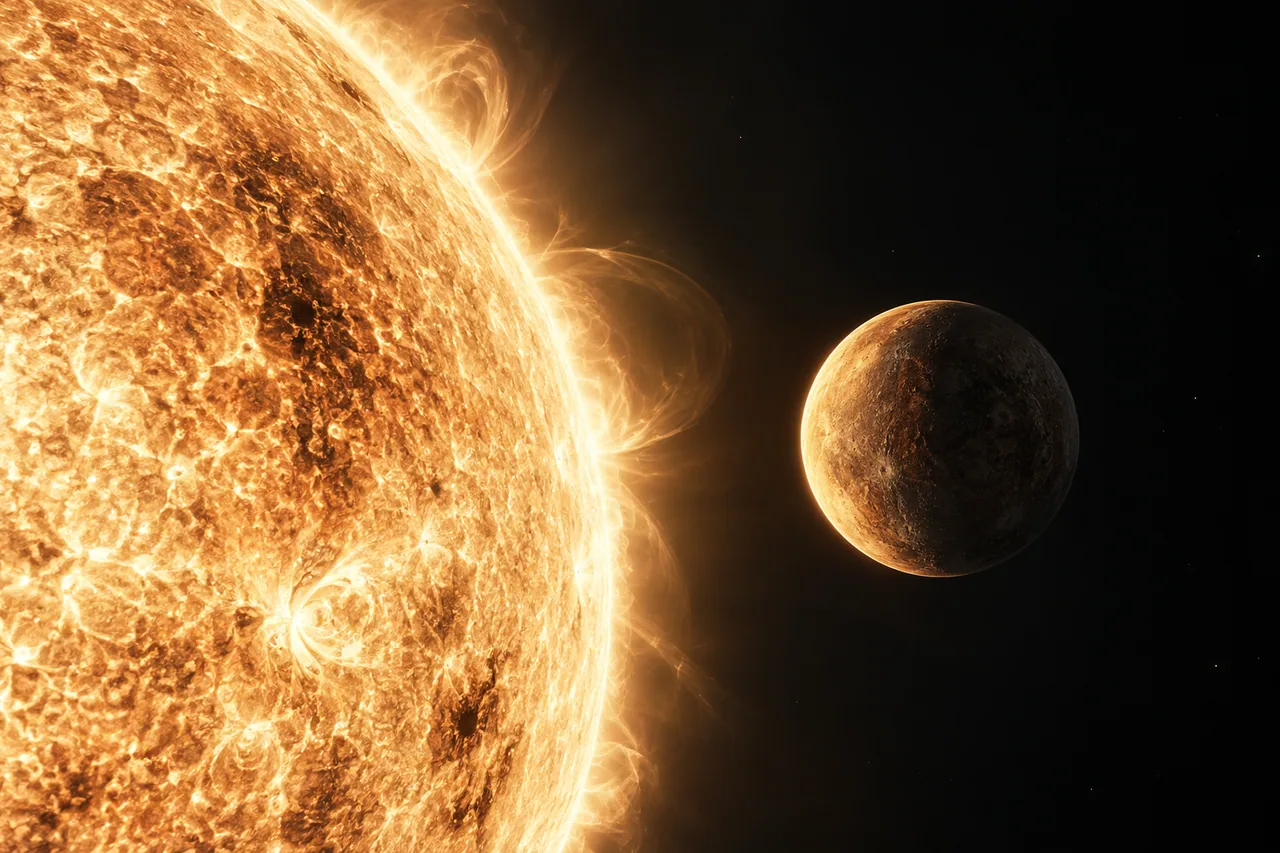
The relevant comparison concerns the Sun and the named planet, not two icons that happen to overlap on a small screen. A renderer may shift markers to keep them readable. Use the underlying positions or the stated separation rather than measuring a screenshot. Visual spacing is a design decision; the angular relationship is a calculation.
The word can sound alarming before the explanation begins. In this context, combustion names a traditional astrological condition associated with proximity to the Sun. It does not mean the planet is physically burning. The first useful question is therefore technical: which named object is being compared with the Sun, and what angular relationship does the tool report? That question is more specific than reacting to the strongest association of the everyday word.
Do not measure the separation by looking at two icons on a small chart. Renderers may move markers slightly to keep their labels readable. Two symbols that appear to touch may not be displayed at their exact angular positions. Conversely, a layout can separate their labels while the underlying calculation remains close. Use the numerical values or the stated separation for the comparison, not a screenshot treated as a measuring instrument.
The selected object should remain clear in the explanation. If you opened Mars, a note about the Sun's proximity may explain a condition affecting that Mars placement; it should not quietly replace the whole panel with an unrelated Sun description. A good explanation identifies both objects and their roles. Clear naming helps the reader understand why another planet has entered the discussion without losing the original question.
Ask which convention is being used
Different traditional rules can use different thresholds or qualifications. A tool should not present a label as universal while hiding its convention. When comparing engines, check the same named planet, birth inputs and method. A label difference can require a rule review even when the positions themselves are close.
A rule system needs a rule, not only a badge. Traditional treatments can use different thresholds or qualifications, so ask which convention the application applies. This guide does not supply a universal degree limit for every planet. Publishing one without its method could make the explanation look simpler while making it less reliable. The correct scope is the condition under the stated rule, not an absolute label detached from how it was derived.
If two services disagree, compare the same planet, person and birth inputs first. Then check the zodiac and condition rules. The underlying positions may be close while a threshold treatment differs. That is a different issue from computing two different birth instants. A useful comparison keeps those layers separate so you do not rewrite valid profile details to make a rule label agree.
Boundary cases deserve visible uncertainty. An approximate birth time or a value near a rule threshold can affect how firmly a condition is assigned. A sharply drawn label does not establish that the inputs support the same sharp conclusion. Read the warning or method note as part of the result. A responsible explanation may be conditional, and that is more useful than hiding uncertainty to keep the screen tidy.
Do not translate it into incapacity
A combustion label is not evidence that a person cannot communicate, work or form relationships. Nor is it a medical finding. Interpretive language should remain proportionate to what the tradition claims, without turning a technical condition into a permanent judgment of ability or worth. Real difficulties should be examined through real circumstances and appropriate support.
The next step is interpretation, and it is a different kind of claim. A condition label does not establish that a person cannot communicate, work or form relationships. It is not a medical finding or a measure of worth. If a paragraph makes an absolute judgement about ability, ask how it moves from a traditional technical condition to that conclusion. The strength of the claim should not be concealed by the technical vocabulary.
You can approach a theme through an ordinary example instead. If the reading raises expression, think about one situation in which you found it difficult to explain a need. What made it difficult: the timing, the audience, the missing context or your own uncertainty? These are real factors you can consider. The chart can prompt the question without pretending that it has established the cause.
Include a contrasting example. Perhaps you explained a similar issue clearly in a different setting. That difference matters. A broad interpretation should not absorb every possible outcome and still present itself as exact. Reflective reading becomes more useful when it allows you to notice circumstances and exceptions rather than treating the label as a permanent limit you must accept.
Use explanations that show their basis
A helpful result says what was compared and keeps the selected person clear. If a sentence appears to describe a different planet or someone else's chart, pause instead of trying to make it fit. In Antaryami, personal wording should follow the saved profile and verified calculation; public examples remain illustrations for learning how the instrument works.
A helpful result should show its basis and preserve ownership. On Antaryami, the selected saved profile must determine the personal chart and accompanying text. A condition calculated for one family member should not appear under another person's name. If the values or explanation seem to belong elsewhere, pause and report the specific mismatch. Relatability is not a substitute for the correct data boundary.
Swiss Ephemeris licensing concerns the astronomical foundation. It does not supply every traditional threshold or prove the resulting interpretation. The application still needs to disclose which rules it applies and verify the actual engine path for a live claim. Separating these responsibilities makes the explanation clearer: positions, condition rules and interpretive prose are related, but they are not the same piece of evidence.
Nitish Raj Walia's Antaryami Journal encourages you to ask a precise question before accepting an alarming word. Which objects were compared, which rule was used and what does the interpretation actually claim? Those questions let the condition remain understandable without turning it into a threat. A technical label can be a reference within a tradition. It does not have to become a sentence about what you are allowed to achieve.
Astrological interpretations are for reflection, not a diagnosis, a guaranteed prediction or a substitute for professional advice. Journal guides are prepared with AI assistance; they are educational content, not individual consultations.