Antaryami
Planets
Rahu and Ketu: why lunar nodes appear in a birth chart
Rahu and Ketu are the lunar nodes used in Jyotish, not physical planets like Mars or Jupiter. Their chart positions are calculated reference points. Their traditional meanings belong to astrology and should be distinguished from the astronomy behind the node positions.

Understand what the markers represent
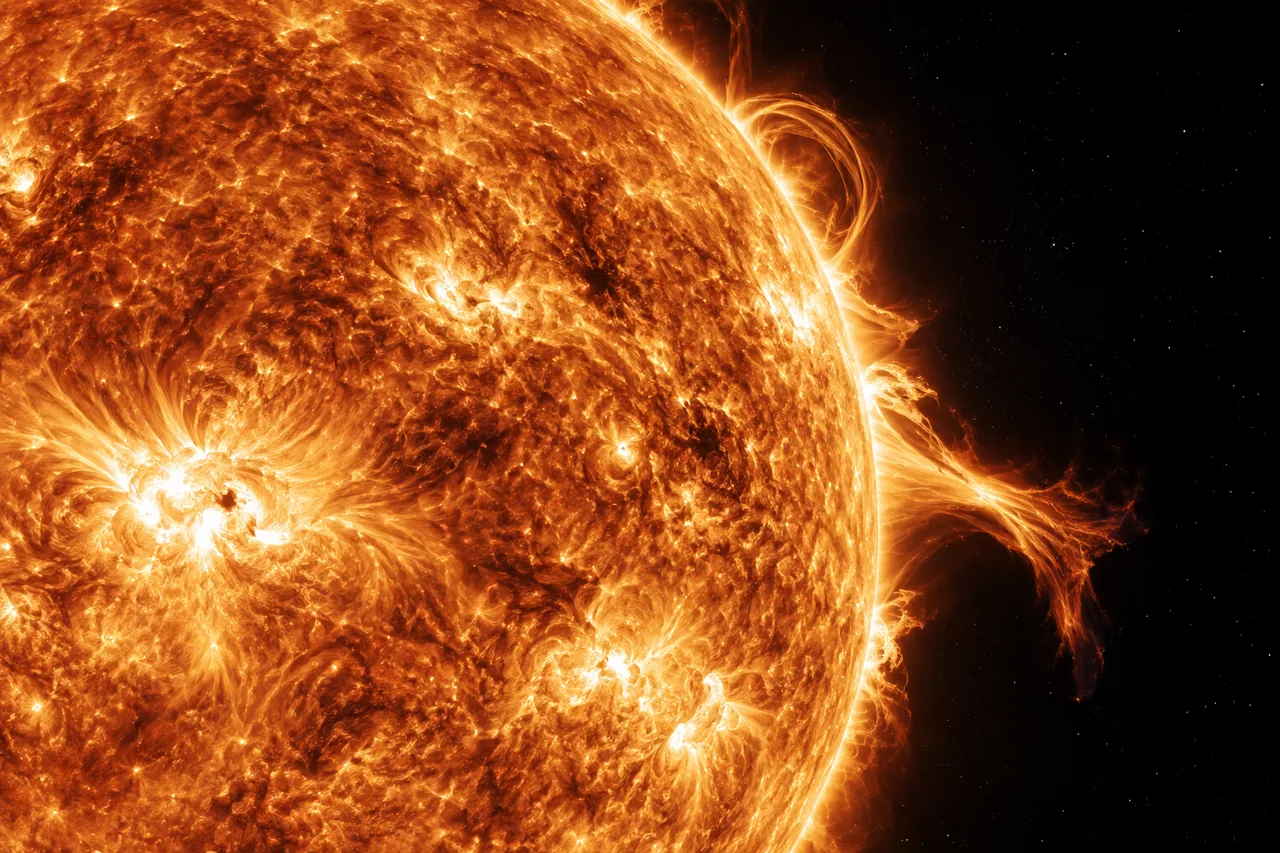
A chart may draw nodes with the other planetary markers for convenience. That visual grouping does not make them material bodies. Read the legend and position list rather than inferring physical size or distance from the icon. A dramatic image of a node is symbolic artwork, not a photograph of an object that a telescope could show in that form.
A chart can place Rahu and Ketu beside the Sun, Moon and planets, making it natural to assume that every marker represents the same kind of object. That is not the case. These traditional names refer to lunar nodes: orbital intersection references rather than two physical bodies waiting to be photographed. The chart includes them because of their role in the astrological framework, not because the display has discovered additional planets.
The distinction matters when choosing an illustration. A pair of glowing spheres can be an artistic metaphor, but it should not teach that the nodes are actual globes. A symbolic cover belongs in its own context. If you want to understand the calculation, use the named position and method rather than treating decorative artwork as an astronomical diagram. Attractive imagery can invite curiosity while the text keeps the underlying definition clear.
A useful first question is what the marker represents in this specific chart. Read the legend and the selected convention before assigning a traditional meaning. A technical reference and an interpretive association have different roles. Knowing that a marker is included does not tell you which personal claim follows from it, or whether that claim is supported. The interface should help you move between those layers without presenting them as one fact.
Mean node and true node are settings
Different node conventions can produce different displayed positions. Record which convention the tool uses before comparing results. A boundary case may even show different sign labels, making the setting particularly important. Do not silently combine a node position from one convention with an interpretation calculated for another and call it the same chart.
Mean-node and true-node conventions can produce different displayed positions. The word "true" in the setting should not be treated as a judgement that every other convention is dishonest. It names a calculation choice. Read the documentation and record which choice the service uses before comparing labels. A method can be deliberate and still differ from another method; the relevant question is whether the output accurately states what was calculated.
Boundary cases make the choice especially visible. A small positional difference can affect a displayed sign or a later rule classification near a threshold. If two charts appear to disagree, compare the same saved person, birth instant, zodiac settings and node convention. Do not stop at whether both websites use the names Rahu and Ketu. Shared vocabulary is not proof that the underlying requests match.
The interpretation should follow the convention used for the position. A reading that borrows a node label from one calculation and a condition from another can become internally confusing. A transparent product makes the chosen method inspectable, not merely configurable somewhere outside the result. When a report is saved, that context should remain attached to the generation rather than disappearing behind a familiar cover.
Avoid turning symbols into threats
Descriptions of obsession, separation or change should not become certain predictions of disaster. A difficult experience deserves attention to its real circumstances. Nor should a node label be used to accuse someone of having bad character. Ask what the interpretation is based on, which tradition it follows and what uncertainty remains.
Traditional language around the nodes can be dramatic. Themes of desire, separation or change should not be turned automatically into threats. A symbolic association is not evidence that a person has bad character or that a disaster is inevitable. Ask what the interpretation actually claims and how it relates to the wider chart. The strongest sentence is not necessarily the most informative one.
If a theme feels relevant, connect it with a concrete situation. Perhaps you are considering whether a commitment still fits your values. What changed in the circumstances? Which options are available? These questions can be explored without claiming that a node caused the difficulty. A traditional perspective may accompany the reflection while the evidence about your life comes from the actual situation.
Be cautious when fear is followed by pressure to buy an urgent answer. An alarming label does not make a remedy compulsory, nor should it stop you from seeking practical support. You can choose not to adopt a particular interpretation. A courteous explanation respects that choice rather than suggesting that questioning the claim will bring further harm. Curiosity should not require surrendering your judgement.
Compare one profile and one method
In Antaryami's reviewed tools, read the stated method and node convention alongside the selected saved person. If you change a calculation setting elsewhere, keep that change visible in any comparison. The purpose of a transparent instrument is to help you inspect why numbers differ, not to make every convention appear interchangeable or every interpretation appear inevitable.
For a comparison, pick one named value and write down the settings beside it. If another service differs, you now have a specific question: did it use another node convention, another zodiac reference or another birth instant? This is easier to investigate than asking which whole reading is correct. A useful support discussion can focus on the method without publishing a relative's private birth record or account secrets.
Antaryami has licensed Swiss Ephemeris for astronomical calculations. That fact does not by itself establish the convention or live engine path of a particular surface. Read the method shown with the actual result and keep it tied to the selected profile. The public instrument tour remains educational. A general node explanation should not pretend to be a private reading merely because the visitor has opened an account elsewhere on the website.
Nitish Raj Walia's Antaryami Journal encourages an informed beginning: understand the reference, identify the convention and question the interpretation in proportion to its claim. Thank you for taking the label seriously enough to ask what it means. Rahu and Ketu can be discussed as part of a traditional chart without inventing physical planets or inevitable outcomes. Clear context makes the subject more approachable, not less interesting.
Astrological interpretations are for reflection, not a diagnosis, a guaranteed prediction or a substitute for professional advice. Journal guides are prepared with AI assistance; they are educational content, not individual consultations.